
Rules for a Fair Home Poker Game (Buy-ins, Cash-outs, Disputes)
How to run a home poker game that nobody complains about: buy-in rules, banker etiquette, settling debts, and avoiding the classic disputes.
A home game lives or dies by trust. The math is rarely the problem. The *bookkeeping* is.
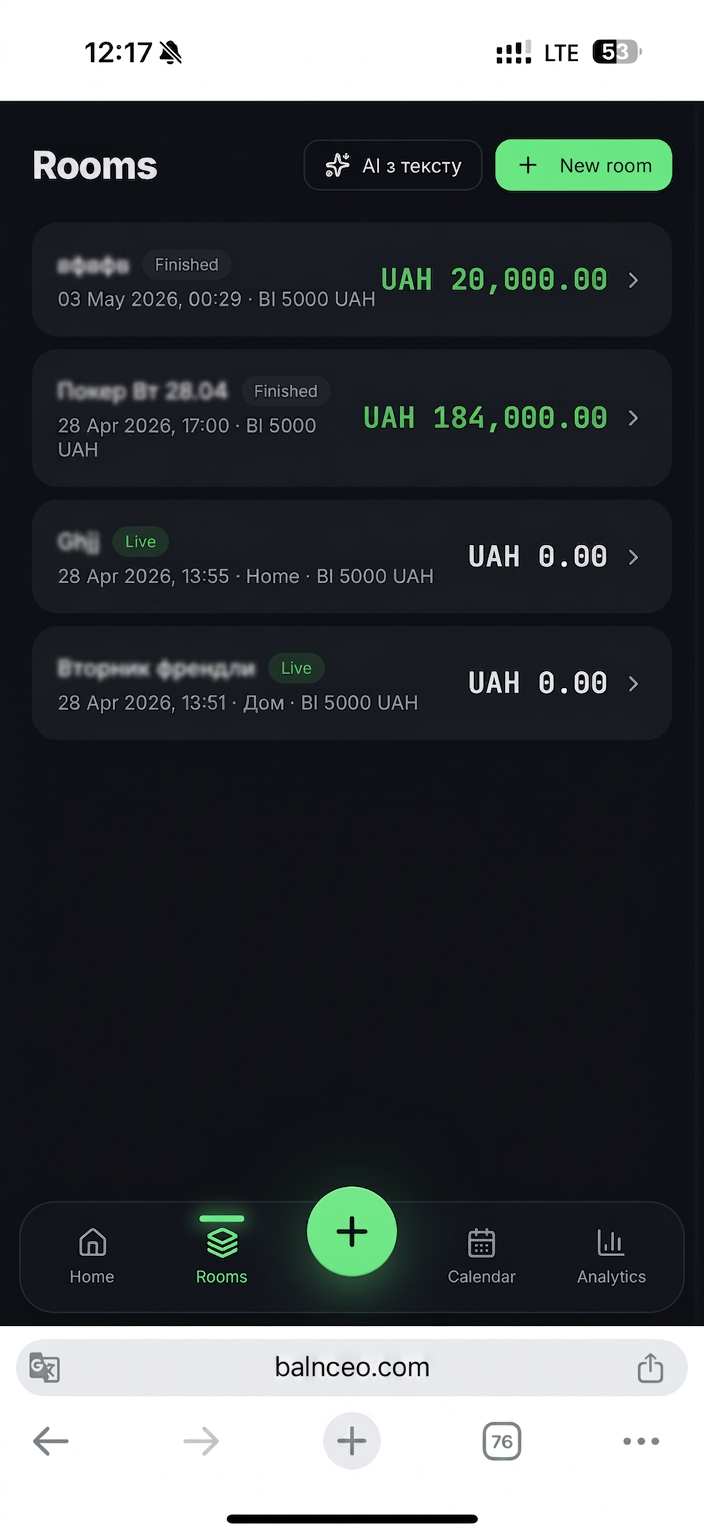
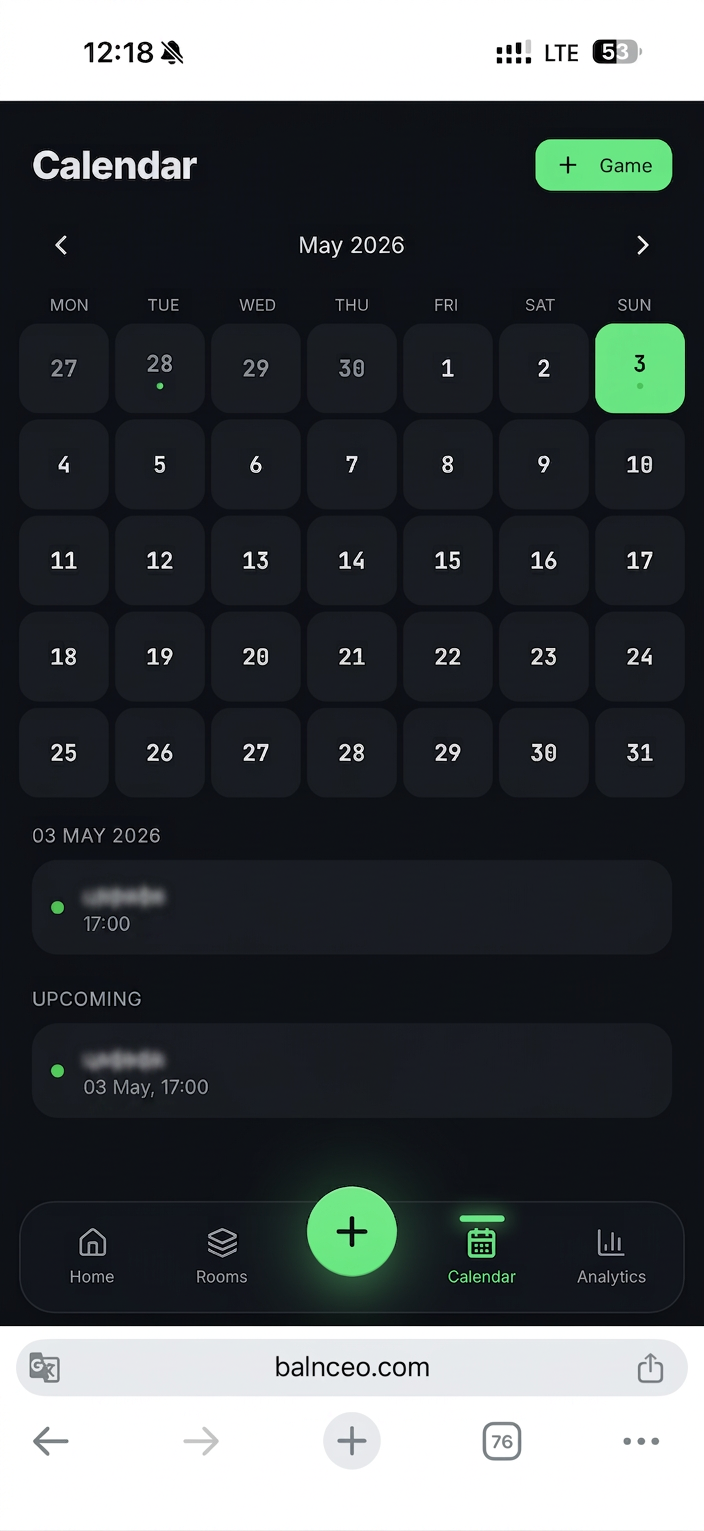
Set the structure before anyone sits down
- Stakes: State blinds and currency in writing (group chat is fine).
- Buy-in range: "Min €50, max €200, top-up to max anytime before the river is dealt."
- Stop time: Soft stop and hard stop. The single biggest source of resentment is the host wanting to sleep while one player demands "one more orbit".
The banker rule
One person handles all chips and cash. Not two. Not "whoever's closest". One.
The banker: - Records every buy-in next to the player's name. - Counts every stack at cash-out. - Pays in cash if available, otherwise issues IOUs.
Cash-outs that don't end friendships
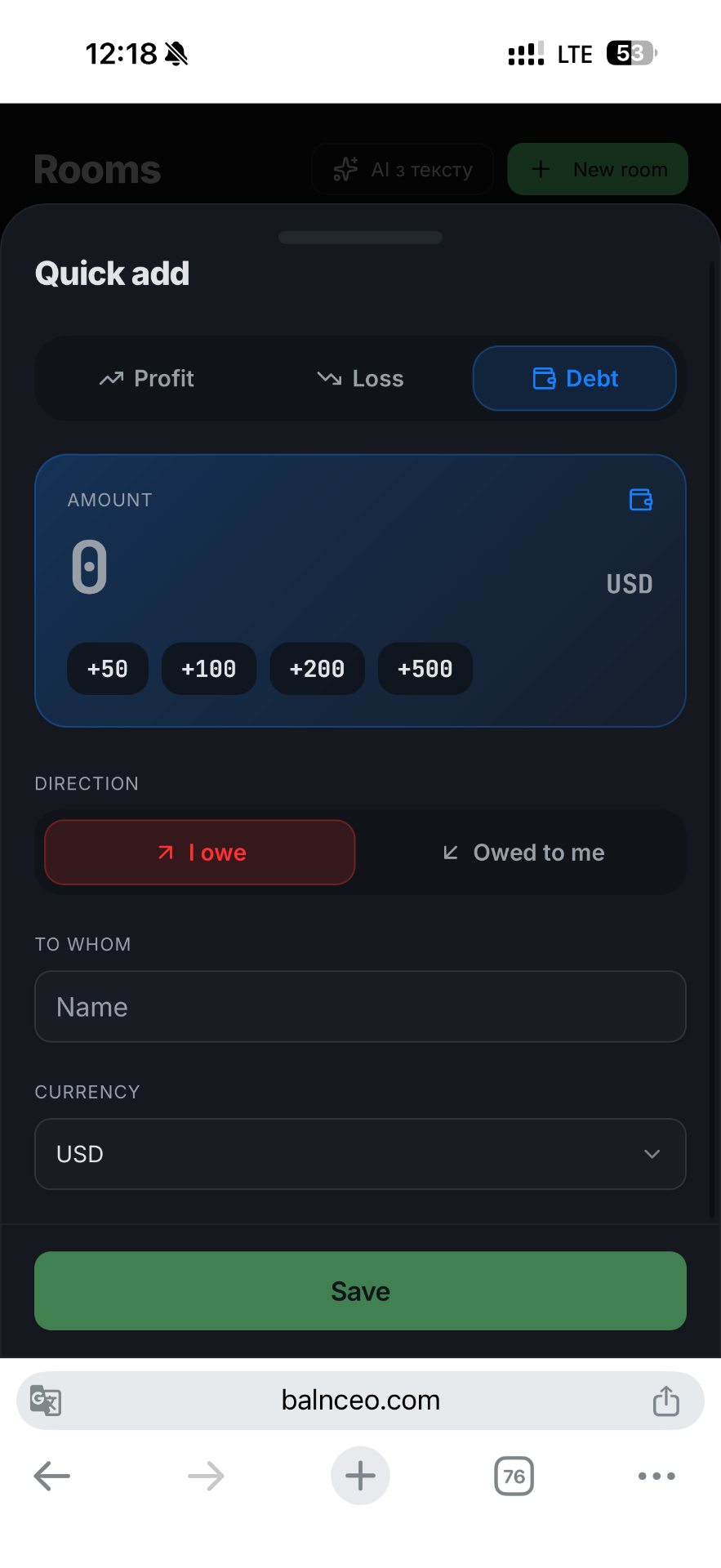
The classic disaster: total chips on the table don't match total buy-ins. Someone "forgot" a top-up. Someone palmed a chip. Don't try to litigate it at 2 AM. Use a settle-up tool — our free Home Game Settle-Up Calculator computes the minimum number of payments and flags drift automatically.
Disputes
Two rules: 1. String bets, angle shoots, exposed cards: the table votes, majority rules, host breaks ties. Decide *before* the night starts that this is the system. 2. Money disputes: the banker's log is final. If you're not the banker, you don't get to argue the log.
Run it like a small business
A €1/€2 home game with 8 players is €1,600+ moving across the table per night. Treat it that way. Players who feel respected come back. Players who feel cheated tell three friends.